Search
  • You have no bookmark.

Your Wishlist : 0 listings

Sign In

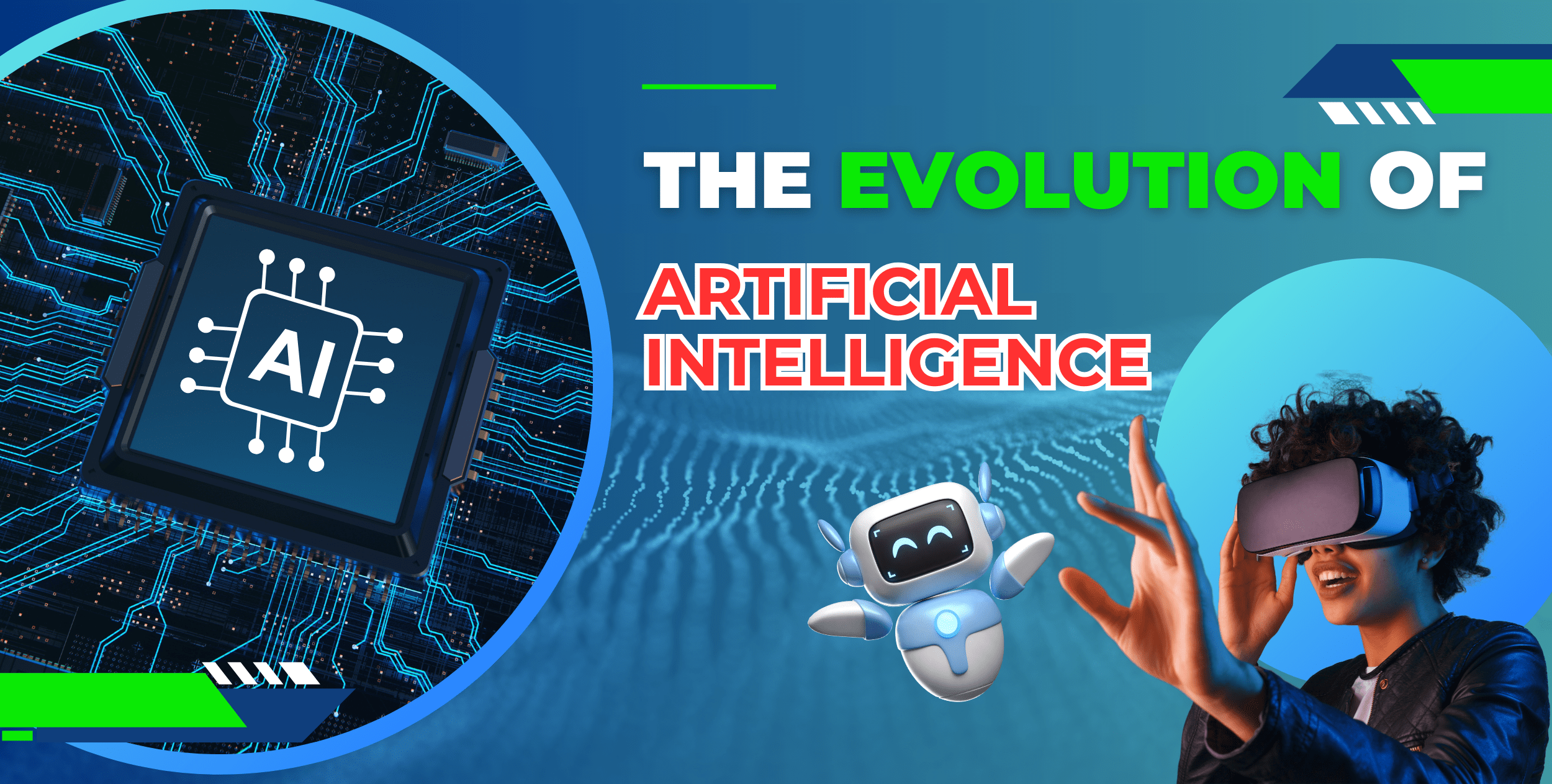
The Evolution of Artificial Intelligence

The Evolution of Artificial Intelligence

Revolutionizing Industries, Shaping the Future


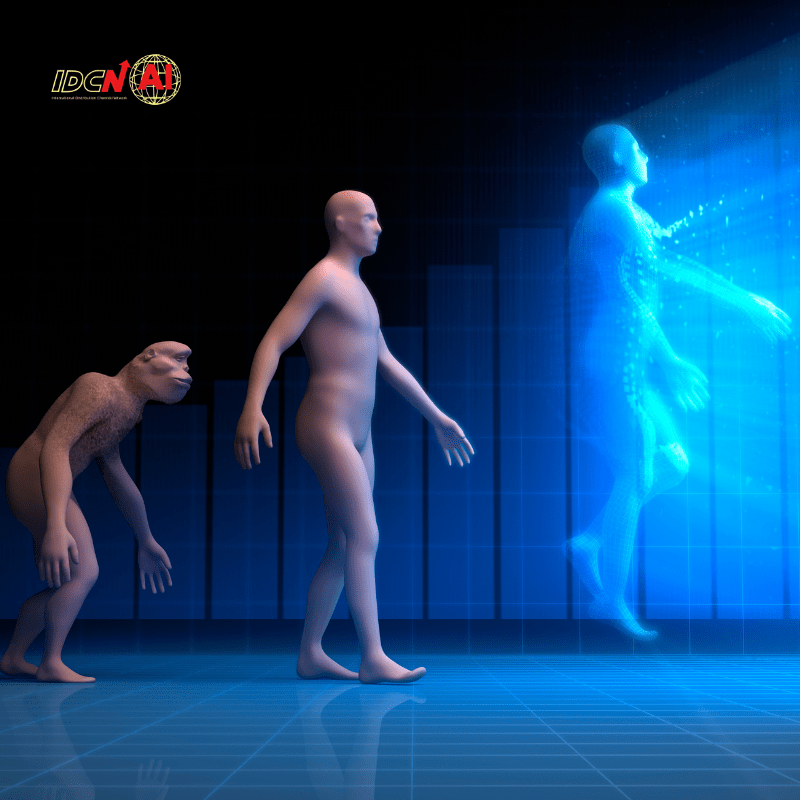
The evolution of Artificial Intelligence (AI) has come a long way since its inception in the mid-20th century. From a nascent concept in computer science to a powerful, transformative force driving innovation across industries, AI’s evolution is nothing short of remarkable.


Today, AI is embedded in nearly every facet of life, from healthcare to finance to entertainment, and its capabilities continue to expand at an astonishing pace. As we stand at the crossroads of technological revolution, it’s important to not only reflect on the journey AI has taken but also consider its future potential and the challenges that lie ahead.


AI has opened doors to boundless possibilities, but its rapid growth also demands that we approach its development with caution, ethical consideration, and foresight.

Connect With IDCN-AI on Social Media

The Birth of AI: A Seed of Possibility

The origins of AI date back to the 1950s when visionary pioneers like Alan Turing, John McCarthy, and Marvin Minsky began exploring the concept of machines that could mimic human thought and learning. Turing’s work on the theory of computation and the famous “Turing Test” laid the foundational ideas for machine intelligence. McCarthy’s coining of the term “Artificial Intelligence” in 1956, at the now-famous Dartmouth Conference, sparked the imagination of the scientific community and inspired decades of research.


The early decades were characterized by optimism but also by limitations. Initial strides were made with symbolic AI and expert systems in the 1960s and 70s. These systems operated by following predefined rules to solve specific problems, such as chess-playing programs or medical diagnosis tools. However, they were rigid, lacked the ability to adapt, and struggled to handle real-world uncertainties and complexities. As computational limitations and inflated expectations led to disappointment, the field faced a series of setbacks known as “AI winters,” where funding and interest in AI research waned.


Nevertheless, these early explorations planted the seeds for future breakthroughs. The dream of intelligent machines never faded, and the progress in computational power and algorithmic sophistication would eventually bring AI back into the spotlight.


Modern AI: From Concept to Reality

The 21st century has witnessed an explosion of AI-driven innovations. Advances in machine learning (ML), neural networks, and access to vast amounts of data have fueled a new era of AI development. AI is no longer just a theoretical concept; it’s a robust, interdisciplinary field that has evolved into a practical tool reshaping industries and everyday life.


In healthcare, AI-powered diagnostic tools are transforming patient care. Systems that can analyze medical imaging are aiding in the early detection of diseases like cancer, while AI-driven drug discovery models are accelerating the development of treatments. Precision medicine, which tailors healthcare to the individual based on their genetic makeup, is now a reality thanks to AI.

In retail, companies like Amazon and Alibaba have adopted AI to predict consumer behavior, optimize logistics, and personalize shopping experiences. AI is also revolutionizing the automotive industry, with autonomous vehicles on the horizon. Self-driving cars, powered by AI, promise to reduce traffic accidents and redefine urban mobility.


In finance, AI is being used for everything from fraud detection to automating complex investment strategies. Trading algorithms are continuously learning and adapting, optimizing portfolios in real time. Meanwhile, AI-powered chatbots and virtual assistants are improving customer service and personalizing the user experience across a range of sectors.


Despite these groundbreaking achievements, the rise of AI has not been without controversy. Issues such as bias in AI algorithms, the ethical use of data, and concerns about job displacement are growing challenges. As AI systems increasingly influence decisions in areas like law enforcement, hiring, and healthcare, it’s critical that these technologies are transparent, fair, and secure.


The Best Parts: A Glimpse into the Future

The future of AI holds boundless potential. One of the most exciting possibilities is in healthcare. We could soon see AI-driven systems that create individualized treatment plans based on a patient’s genetic information. AI could predict epidemics by analyzing global health data in real-time, allowing us to contain outbreaks before they escalate. In surgery, AI-powered robotic systems are already assisting surgeons, and further advancements could lead to fully autonomous surgeries with greater precision than any human could achieve.


AI also offers hope in the fight against climate change. By optimizing energy use, improving agricultural efficiency, and developing new materials, AI could help mitigate the environmental impact of human activity. Smart grids powered by AI can adjust energy distribution in real-time, reducing waste, while AI-driven innovations in agriculture could increase crop yields and reduce water consumption. These advancements are crucial in our global efforts to ensure a sustainable future.


Education is another field ripe for transformation. With AI, personalized learning paths can be designed for students, offering tailored resources and pacing that fit individual needs. This could lead to more inclusive and effective educational systems, providing opportunities for learners from all backgrounds.


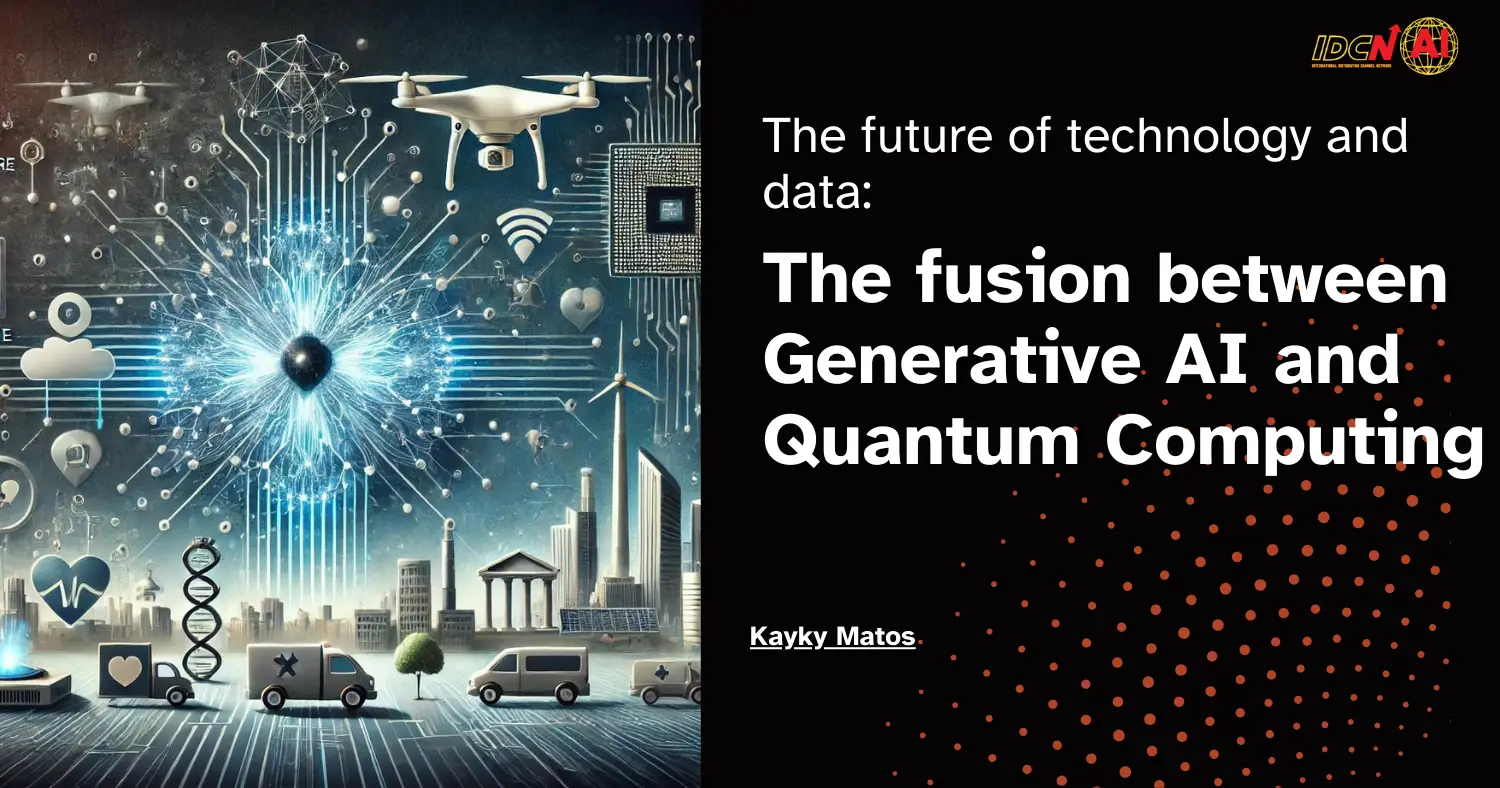
Perhaps the most intriguing development on the horizon is the fusion of AI with quantum computing. While still in its early stages, quantum computing promises to exponentially increase processing power, allowing AI to tackle problems currently beyond our comprehension. This convergence could unlock new discoveries in fields such as material science, drug development, and even theoretical physics, propelling humanity into a new era of scientific and technological breakthroughs.


The Worst Parts: Challenges Ahead

However, the rapid rise of AI comes with significant risks. One pressing issue is the ethical dilemmas posed by AI-driven decision-making. Autonomous weapons, for example, raise severe moral concerns, as do AI surveillance systems that threaten privacy on a massive scale. If left unchecked, AI could also deepen existing societal inequalities, giving disproportionate power to those who control the technology.


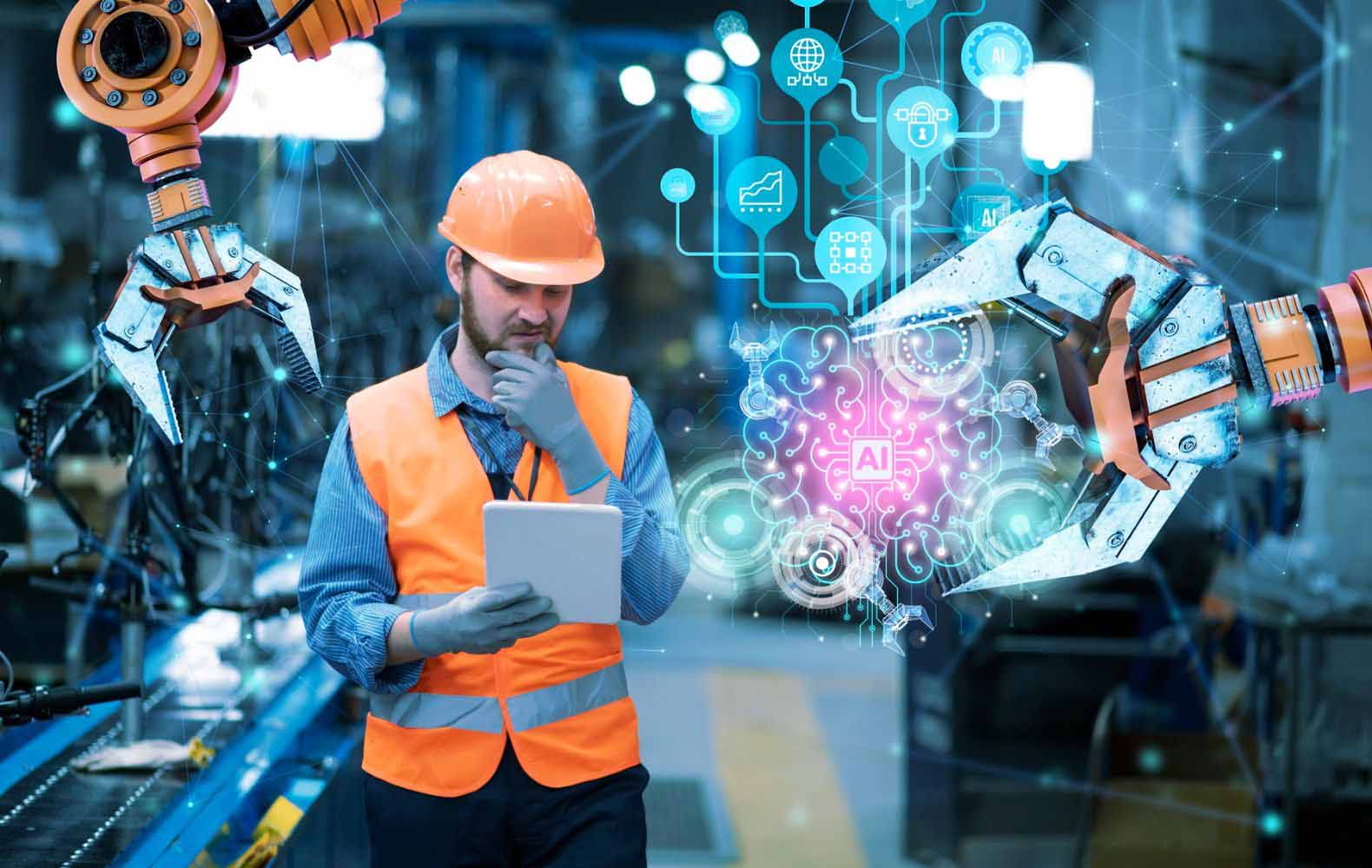
Job displacement is another significant concern. While AI will undoubtedly create new roles in areas like data science and AI ethics, many traditional jobs, particularly in manufacturing and transportation, are at risk of becoming obsolete. Preparing the workforce for this shift by offering reskilling programs and social safety nets is essential to avoid mass unemployment and social unrest.


Data privacy and security also present critical challenges. AI systems rely on massive datasets, often containing sensitive personal information. Ensuring that these data are handled ethically and securely is paramount, particularly in light of recent concerns about AI misuse in areas like deepfakes and misinformation campaigns. If AI is not regulated properly, it could erode trust in digital ecosystems and destabilize social structures



  IDCN-AI Conclusion 


Engaging the Future: A Call for Thoughtful Discussion

As AI continues to evolve, it’s essential to foster open and thoughtful conversations about its future. We must collectively decide how to harness AI for good, balancing innovation with ethical responsibility. Policymakers, industry leaders, and technologists need to collaborate on establishing frameworks that ensure AI’s development benefits society as a whole.


As individuals, we can contribute to these discussions by staying informed and advocating for ethical AI practices. By engaging in dialogue, we can ensure that AI serves as a tool for progress rather than a catalyst for division.


The future of AI is filled with promise, but it requires careful, deliberate action to ensure that it creates a world where technology enhances the human experience rather than diminishes it. Let’s take responsibility for the future we are building, embracing AI’s transformative power while remaining vigilant against its potential pitfalls.


AI’s story is still being written, and we are the authors of its next chapter. Let’s make it a story worth telling.
Facebook
Twitter
LinkedIn
Archives
0
Close

Your cart

No products in the cart.