
0
Your Wishlist : 0 listings














0
Close
Your cart

You have no bookmark.
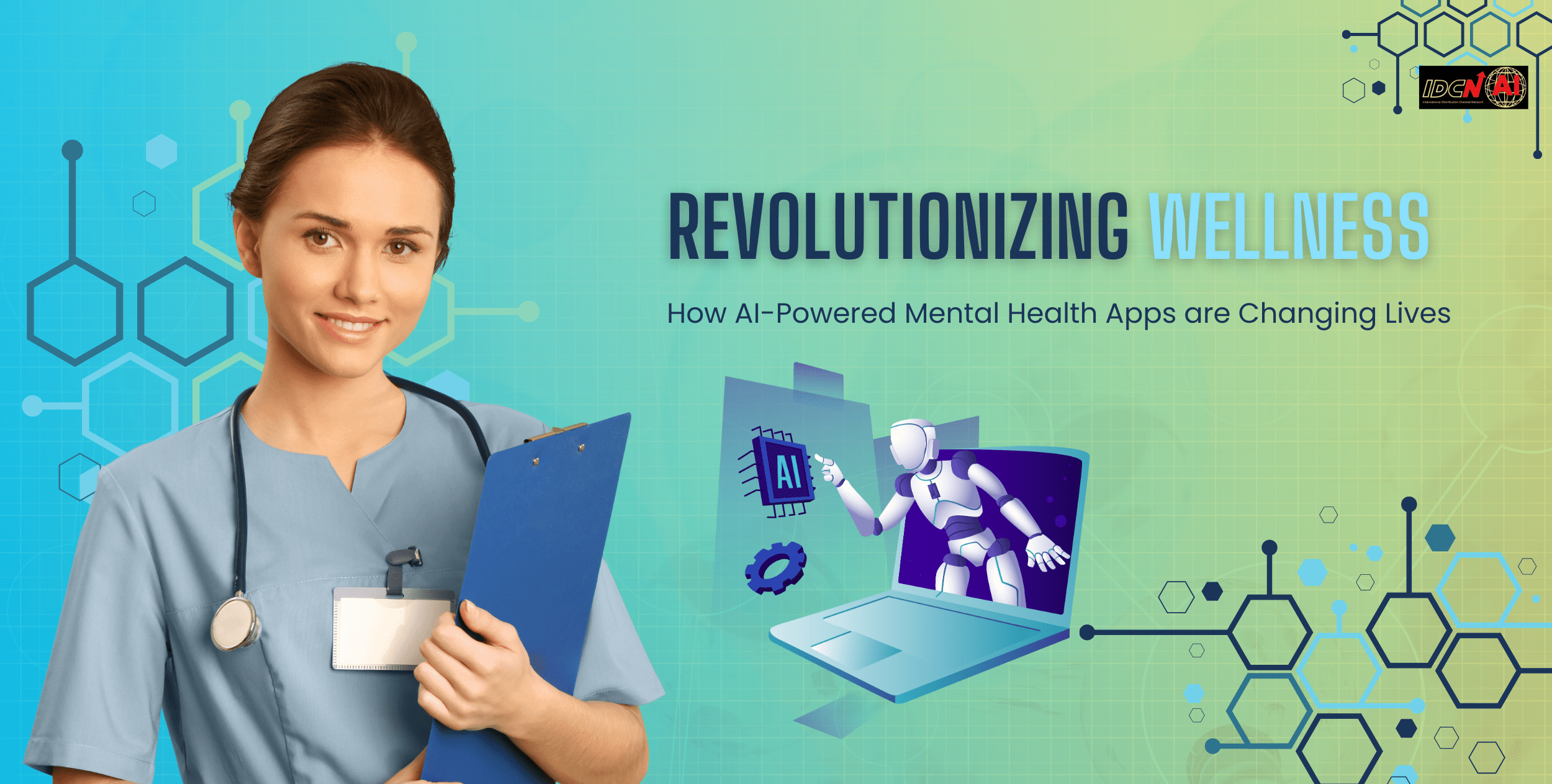
How AI-Powered Mental Health Apps are Changing Lives
In today’s fast-paced world, mental health challenges are on the rise, affecting millions globally. Despite increasing awareness, barriers such as cost, stigma, and lack of access prevent many from seeking help. This is where technology steps in. AI-powered mental health apps are transforming the way we approach emotional wellness, making mental health care more accessible, affordable, and personalized than ever before.
Artificial intelligence leverages advanced algorithms to simulate human-like understanding, enabling mental health apps to provide tailored support. AI tools such as chatbots and sentiment analysis can detect emotional cues, track moods, and even predict potential mental health risks. These features offer users instant and non-judgmental support, empowering them to manage their mental health proactively.
Accessibility:
AI apps break geographical barriers, offering 24/7 support to users anywhere, anytime. This is particularly beneficial for individuals in remote or underserved areas.
Personalized Care:
AI analyzes user behavior and emotional patterns to deliver unique insights and strategies, ensuring a personalized approach to mental wellness.
Affordability:
Many apps provide free or low-cost solutions, making them a budget-friendly alternative to traditional therapy.
Anonymity:
For those hesitant to seek face-to-face therapy, these apps offer a safe and private environment to share their concerns.
Woebot
A virtual mental health assistant that uses cognitive behavioral therapy (CBT) techniques. Woebot engages users through friendly, conversational interactions, offering strategies to manage stress and anxiety.
Wysa
An AI-driven emotional wellness app designed to support users with stress, anxiety, and sleep-related challenges. Wysa offers mindfulness exercises and CBT-inspired conversations.
Replika
An AI chatbot that acts as a personal emotional companion. Replika focuses on creating a supportive and empathetic conversational experience.
Talkspace
While primarily a therapy platform, Talkspace incorporates AI to match users with therapists and improve the user experience.
Real-Time Support:
AI chatbots provide instant responses, ensuring users never feel alone in moments of distress.
Health Tracking Integration:
Many apps sync with wearable devices, offering insights into how physical health metrics like sleep and activity affect mental well-being.
Data-Driven Insights:
Apps analyze user data to identify trends, enabling better stress and mood management over time.
Interactive Exercises:
From guided journaling to mindfulness practices, AI apps promote self-care habits that support emotional health.
Privacy Concerns:
With sensitive data at stake, ensuring user privacy is paramount. App developers must implement robust encryption and transparency in their data policies.
Limitations of AI:
While advanced, AI lacks the emotional depth and intuition of human therapists. These apps are best suited as supplements to, not substitutes for, professional therapy.
Regulatory Oversight:
As these tools grow in popularity, regulatory frameworks must evolve to ensure ethical and safe usage of AI in mental health care.
AI’s potential in mental health care is vast. Innovations like predictive analytics could foresee mental health crises before they occur, enabling timely intervention. Virtual reality therapy and augmented reality tools may also redefine the therapeutic experience. As AI continues to advance, it will play a key role in normalizing mental health discussions and reducing stigma on a global scale.
AI-powered mental health apps are reshaping the wellness landscape, providing tools for individuals to take control of their mental health. While they cannot replace traditional therapy, these apps are invaluable for offering accessible, affordable, and personalized support. If you’re seeking a step toward emotional wellness, exploring these digital solutions could be a transformative decision. Take charge of your mental health today, one app at a time.
No products in the cart.
International Distribution Channel Network
www.IDCN.network
Comprehensive AI Directory | IDCN AI Network
Copyright © 2024. International Distribution Channel Network