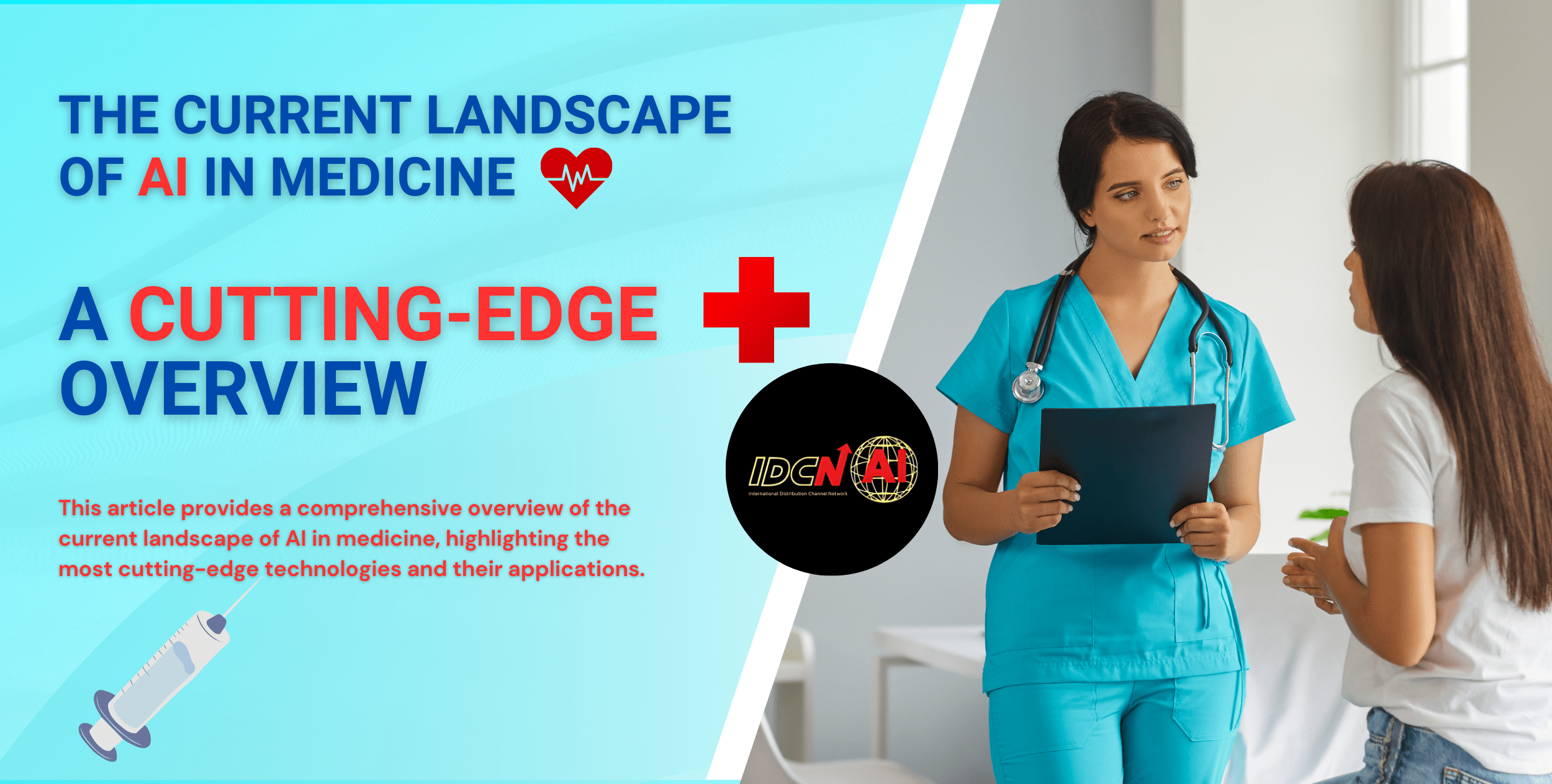
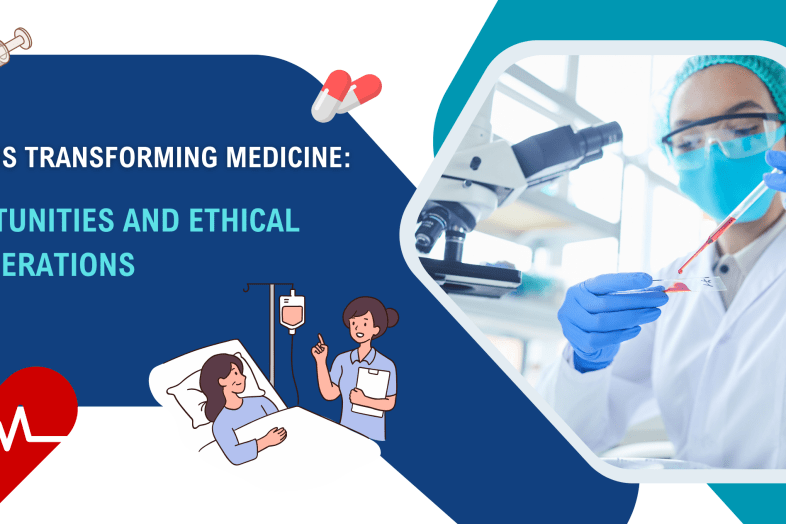
Artificial Intelligence (AI) is revolutionizing the medical field, offering unprecedented opportunities to enhance patient care, streamline workflows, and augment clinical decision-making. The integration of AI into medicine is impacting both seasoned and newly minted physicians in unique ways. Experienced practitioners may initially struggle with the technological learning curve but eventually appreciate AI’s ability to reduce administrative burdens and improve diagnostic accuracy, especially in fields like radiology and pathology. Meanwhile, new physicians, digital natives, are more likely to embrace AI technologies from the outset, viewing them as essential tools in their medical arsenal.
The Role of AI in Medical Education
AI’s rise in medicine is also transforming medical education. Medical schools are incorporating courses that focus on technology infrastructure, machine learning, deep learning, and data management. For instance, Harvard Medical School has introduced digital transformation courses that equip students with the skills to critically evaluate AI tools and integrate them into clinical practice effectively. Continuous education programs are also evolving to include AI literacy, ensuring that practicing physicians can adapt to innovative technologies throughout their careers.
Ethical Considerations in AI Implementation
The increasing prevalence of AI in healthcare brings several ethical considerations to the forefront:
- Privacy and Data Security: Large datasets used for AI training raise concerns about patient privacy and data protection.
- Algorithmic Bias: There is a risk that AI systems may perpetuate existing biases in healthcare, leading to disparities in diagnosis and treatment.
- Transparency and Explainability: The “black box” nature of some AI algorithms makes it challenging to understand decision-making processes.
- Liability and Responsibility: Questions arise about who is responsible when AI-assisted decisions lead to adverse outcomes.
- Human-AI Collaboration: Balancing AI capabilities and human judgment is essential to maintain quality and empathy in patient care.
The American Medical Association (AMA) emphasizes the need for responsible AI development, focusing on oversight, transparency, data privacy, and physician liability.
Future Prospects of AI in Medicine
AI’s integration into medicine is expected to accelerate, reshaping healthcare in several ways:
- Personalized Medicine: AI enables more precise, individualized treatment plans.
- Predictive Healthcare: Advanced AI models can predict disease outbreaks and treatment outcomes more accurately.
- Autonomous Systems: AI may perform routine tasks autonomously, freeing physicians to focus on complex cases.
- Virtual Health Assistants: AI-powered chatbots and virtual assistants can provide initial patient triage and follow-up care.
- Drug Discovery: AI accelerates the drug discovery process, reducing the time and cost of bringing new treatments to market.
- Robotic Surgery: AI-enhanced surgical robots improve precision and enable remote procedures.
- Continuous Learning Systems: AI systems continuously learn from real-world data, improving performance over time.
Despite these advancements, AI is expected to augment rather than replace physicians, enhancing human intelligence and allowing physicians to focus on complex decision-making and patient interaction.
How IDCN AI Can Help
At IDCN AI, we connect businesses with top AI solutions through our comprehensive AI Directory. By subscribing to our platform, you can list your AI services, connect with global clients, and benefit from 24/7 expert support. Our goal is to facilitate the integration of AI in medicine, helping you navigate the future of healthcare technology with ease.
To learn more and subscribe, visit IDCN AI Network.
By Victor O. Penna, MD, RDMS, RVT
Primary Care Ultrasound pc-ultrasound.com