
The Integration of AI Directories in Modern Technology
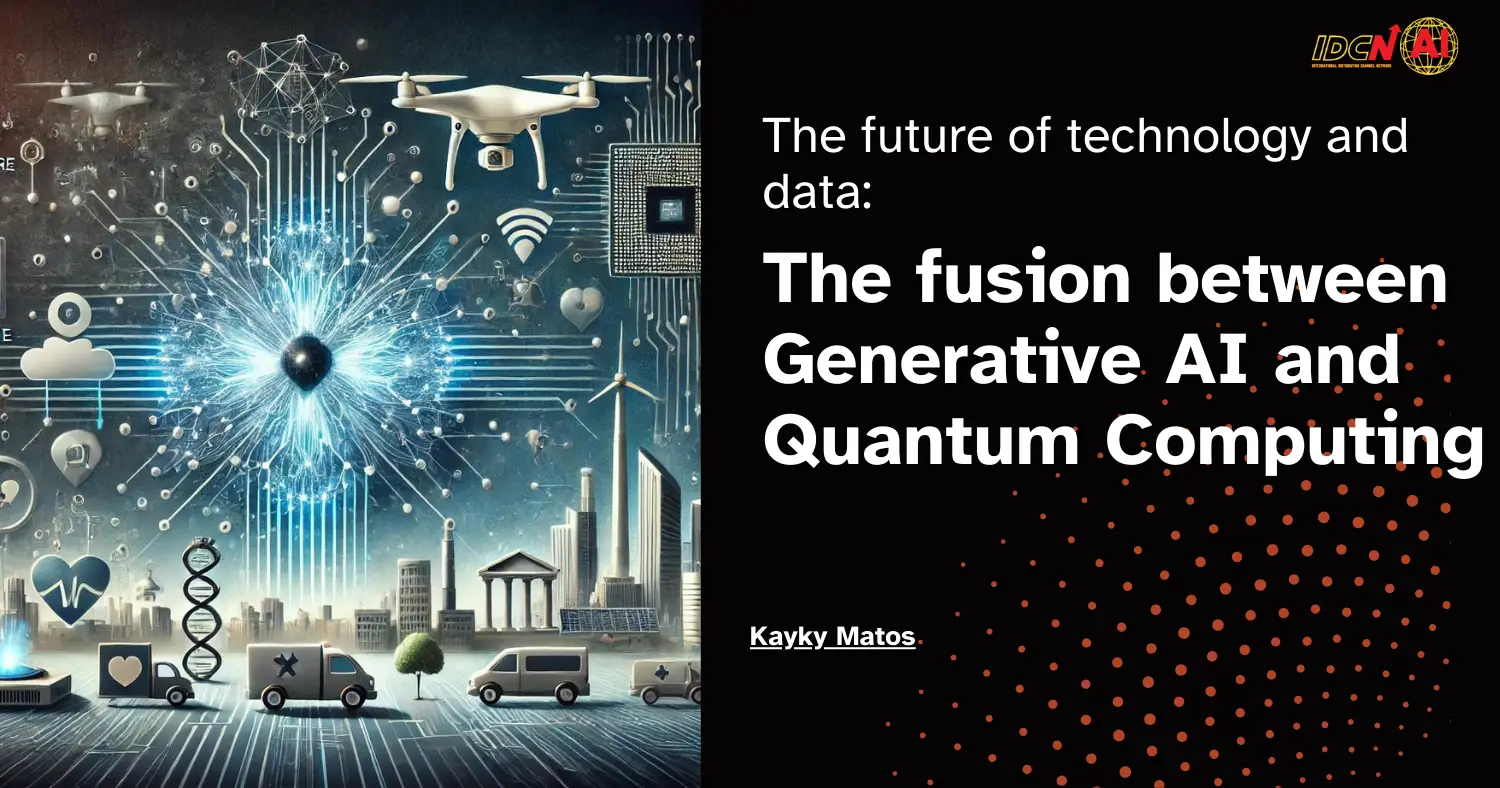
The rapid advancement of technology has led to increased decentralization, distribution, accessibility, and assimilation into daily life. Today, it is nearly impossible to imagine a routine without technology. This article aims to clarify some information about two pivotal technologies: Generative AI and Quantum Computing, and how their fusion is shaping the future.
Understanding Artificial Intelligence (AI) and Its Subsections
Artificial Intelligence (AI) is a set of tools and areas that enable machines to analyze and process vast amounts of data to perform tasks deemed “intelligent.” One key subsection of AI is Machine Learning (ML), which uses data and algorithms to mimic human learning, allowing machines to improve with more data and processing.
From Machine Learning, we derive Deep Learning, which uses deep neural networks to simulate human decision-making capabilities, enabling tasks such as self-generated captions and facial recognition.
Generative AI (GenAI), a branch of AI, employs Deep Learning and Natural Language Processing (NLP) to create new content from human inputs, such as text, speech, images, and even music.
The Role of Quantum Computing in AI
Quantum Computing (QC) merges Quantum Mechanics with Computer Science, elevating data processing and calculations to unprecedented speeds. Unlike traditional bits, quantum bits (qubits) can represent multiple states simultaneously, allowing for more complex and faster data processing.
Real-World Applications of Generative AI and Quantum Computing
Imagine a city where self-driving cars, drone deliveries, robotic teachers, and humanoid servers are part of everyday life. These advancements are becoming increasingly integrated into our daily routines.
Generative AI has demonstrated its capabilities by creating new artistic works and literature. For instance, the book “Christie’s Haunted Dollhouse,” written entirely by AI, showcases the advancement of AI in emulating human creativity.
Combining AI and Quantum Computing for Greater Benefits
The fusion of AI with Quantum Computing promises significant benefits across various sectors:
- Healthcare: Enhanced molecular analysis, new drug development, and optimized hospital processes.
- Finance: Improved asset allocation, market forecasting, and client portfolio management.
- Telecommunications: Optimized networks, online traffic management, and improved connections.
When combined with cloud computing, these technologies can transform industries, enabling robots to perform tasks with unprecedented efficiency and connectivity.
Ethical Considerations and Security Challenges
As AI and Quantum Computing advance, ethical considerations and security challenges emerge. Issues such as data privacy, algorithmic bias, and transparency need to be addressed. Additionally, the brute force capacity of Quantum Computing poses potential threats to existing encryption systems.
The Role of Continuous Learning and Governance
To ensure the effective and secure implementation of these technologies, continuous learning and governance are crucial. Professionals must stay updated with ongoing training, and companies must actively participate in the development and governance of AI and Quantum Computing tools.
How IDCN AI Can Help
At IDCN AI, we are dedicated to connecting businesses with top AI solutions through our comprehensive AI Directory. By subscribing to our platform, you can list your AI services, connect with global clients, and benefit from 24/7 expert support. Our goal is to facilitate the integration of AI in various sectors, helping you navigate the future of technology with ease.
To learn more and subscribe, visit IDCN AI Network.
Kayky Matos,
AI Developer and Software Engineering student and avid Generative AI enthusiast.
University of Michigan, USA